



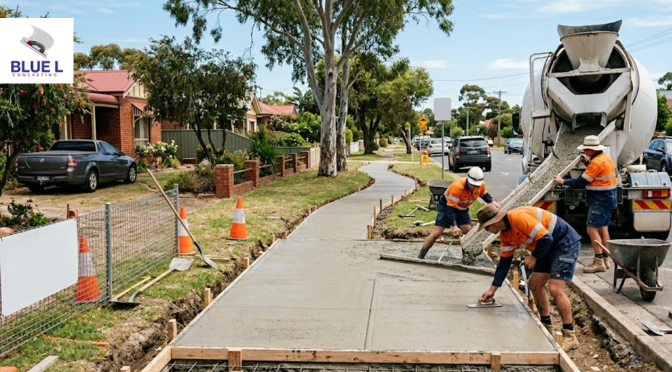
Footpaths play an essential role in ensuring safe and accessible movement for pedestrians. Whether in residential areas, commercial spaces, or public infrastructure, the durability of footpaths directly impacts safety, maintenance costs, and long-term performance. Among various materials available, concrete stands out as the most reliable option for footpath installations.
A concrete footpath installation in Hallam is widely chosen for their strength, longevity, and ability to withstand heavy use. When installed professionally, they offer a stable surface that resists wear and environmental stress. These qualities make concrete the preferred solution for projects that demand durability and long-lasting performance.
Exceptional Strength for High Traffic Areas
One of the primary reasons concrete footpaths are considered durable is their structural strength. Concrete can handle continuous foot traffic without losing integrity. Unlike softer materials, it does not compress or deform easily over time.
In areas with high pedestrian activity, durability becomes essential. Concrete provides a firm surface that maintains its shape even under frequent use. This stability reduces the risk of uneven sections, which can lead to safety concerns. The inherent strength of concrete ensures that the footpath remains reliable for years.
Concrete also performs well in mixed use environments where light service vehicles may occasionally pass. Its load bearing capacity helps prevent cracking caused by moderate pressure. This resilience contributes to long-term durability.
Resistance to Weather Conditions
Footpaths are exposed to changing weather conditions throughout the year. Temperature fluctuations, rain, and moisture can affect the performance of certain materials. Concrete footpaths can withstand these environmental challenges.
Properly installed concrete resists water penetration and erosion. This is particularly important in areas that experience heavy rainfall. The solid surface prevents water from pooling and reduces the chances of surface damage.
Concrete also handles temperature variations effectively. It expands and contracts slightly with changes in temperature without losing structural strength. When expansion joints are included during concrete footpath installations in Hallam, the footpath remains stable and crack resistant. This ability to adapt to environmental conditions enhances overall durability.
Long Lifespan with Minimal Wear
Durability is closely linked to lifespan. Concrete footpaths are known for lasting decades with proper installation and care. Unlike materials that deteriorate quickly, concrete maintains its appearance and functionality over time.
The dense composition of concrete helps resist surface wear. Foot traffic, bicycles, and occasional equipment use do not easily damage the surface. This makes concrete ideal for locations where longevity is a priority.
Over time, some materials may loosen, shift, or require frequent replacement. Concrete footpaths avoid these issues due to their solid construction. This reduces the need for ongoing repairs and ensures consistent performance.
Low Maintenance Requirements
Another factor that makes concrete footpaths highly durable is their low maintenance needs. Once installed, they require minimal upkeep to remain in good condition. Routine cleaning and occasional inspections are usually sufficient.
Concrete surfaces resist weed growth, which is common in jointed materials like pavers. Fewer gaps mean less opportunity for vegetation to develop. This helps maintain structural integrity and reduces maintenance effort.
Moreover, concrete does not require frequent resurfacing. Small surface stains can be cleaned easily without affecting durability. The reduced maintenance demand makes concrete a practical and long lasting solution.
Resistance to Cracking and Surface Damage
Cracking is a common concern with outdoor surfaces. Concrete footpaths, when installed correctly by concrete footpath contractors in Hallam, become crack-resistant. Reinforcement methods and proper curing improve structural stability.
Control joints play a key role in preventing uncontrolled cracks. These joints allow the concrete to expand and contract safely. As a result, any minor movement occurs within designated areas, preserving the overall structure.
Concrete also resists surface damage from regular use. It does not shift or loosen like modular materials. This stability ensures the footpath remains even and safe for pedestrians.
Cost Effectiveness Over Time
While the initial costs of a concrete footpath installation in Hallam may vary, concrete footpaths offer strong value over the long term. Durability reduces the need for frequent repairs and replacements. This leads to lower lifecycle costs compared to less durable materials.
The long lifespan of concrete means fewer disruptions and maintenance expenses. Property owners and project managers benefit from predictable performance and reduced upkeep requirements.
In addition to this, the durability of concrete supports sustainable practices. Fewer replacements mean less material waste and reduced resource consumption. This contributes to long-term environmental and financial benefits.
Looking for Concrete Footpath Contractors in Hallam?
You can stop your search! Blue L Concreting is a leading concrete footpath contractor with plenty of experience and expertise. Get in touch with us for footpath installation discussions, any specific queries or to get a quote. Call 0423 856 112 to get started.
Frequently Asked Questions
2. Do concrete footpaths require sealing to improve durability?
Sealing is not always mandatory, but it can enhance resistance to stains and moisture. A quality sealant may extend the surface lifespan in high exposure areas.
3. How long does a concrete footpath usually last?
With proper installation and minimal maintenance, concrete footpaths can last 20 to 30 years or more, depending on usage and environmental conditions.
4. Can tree roots damage concrete footpaths?
Tree roots can affect any surface. Proper planning, root barriers, and adequate base preparation help reduce the risk of displacement or cracking.
5. Are expansion joints necessary in concrete footpath installations?
Yes. Expansion joints allow for natural movement caused by temperature changes. They help prevent uncontrolled cracking and improve long term durability.
6. What maintenance helps extend the life of a concrete footpath?
Regular cleaning, checking for minor cracks, and ensuring proper drainage can help maintain durability and prevent long-term damage.
